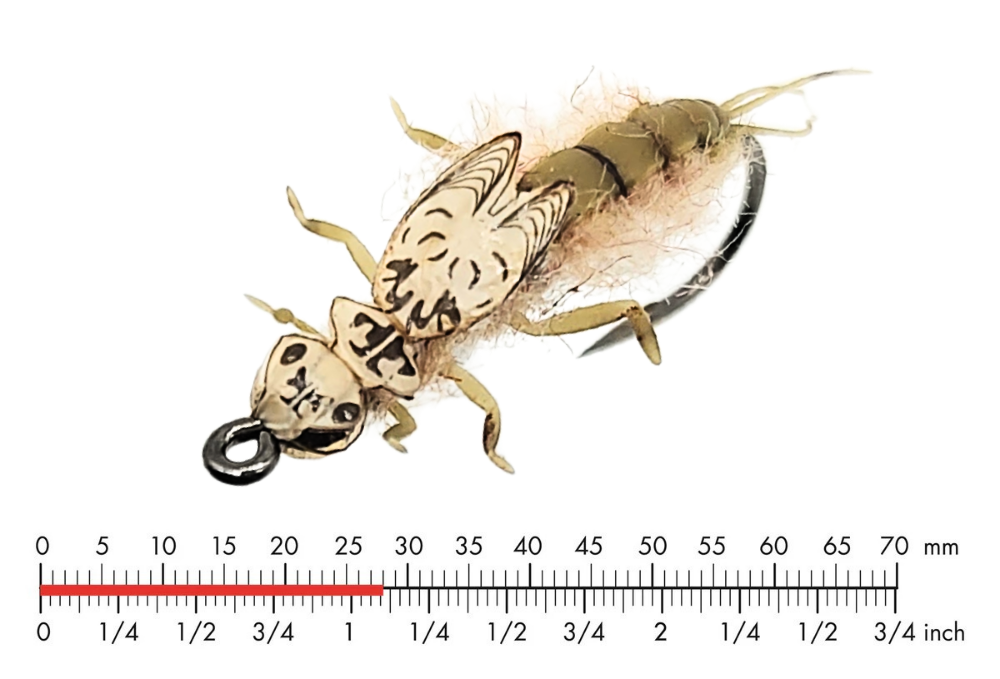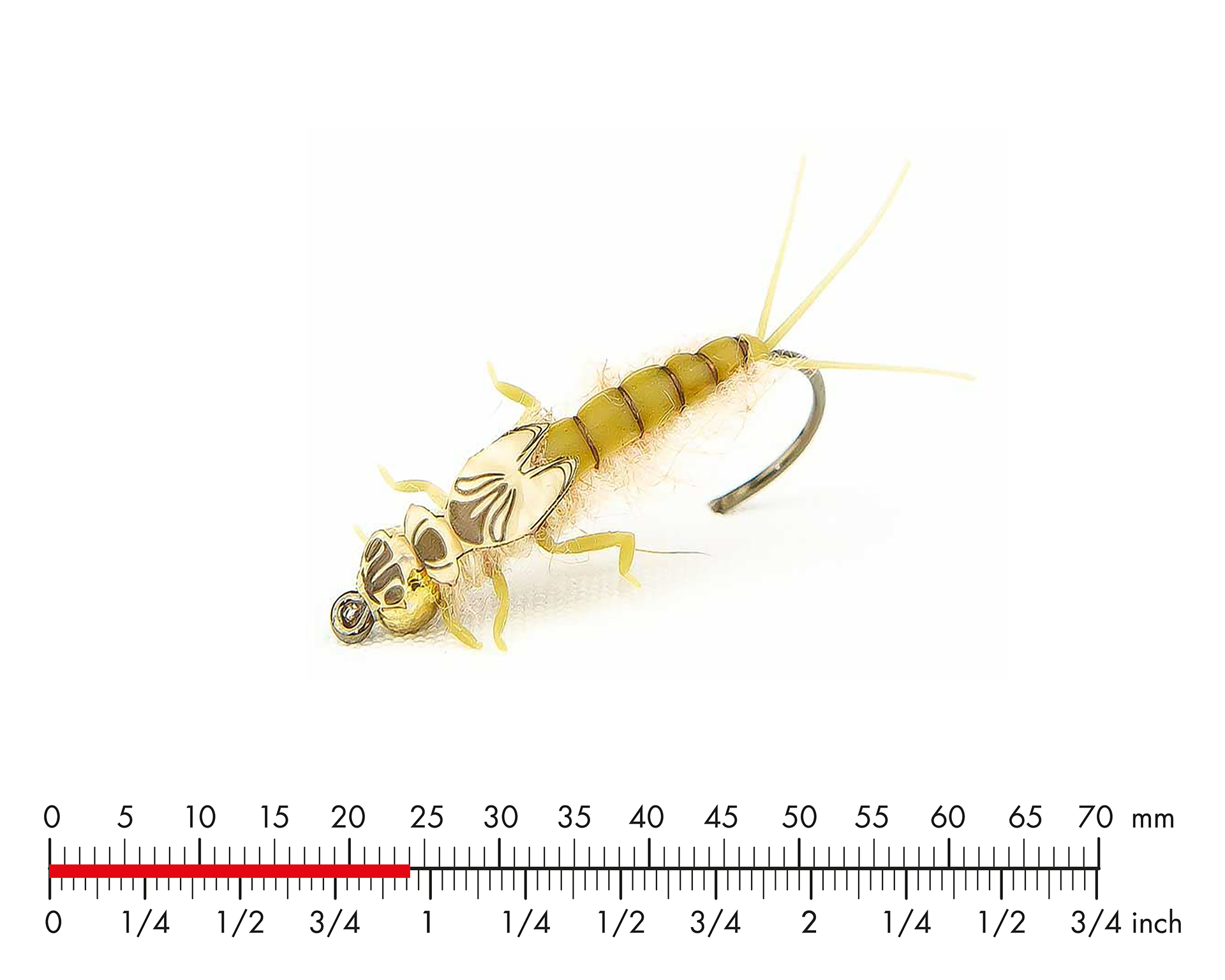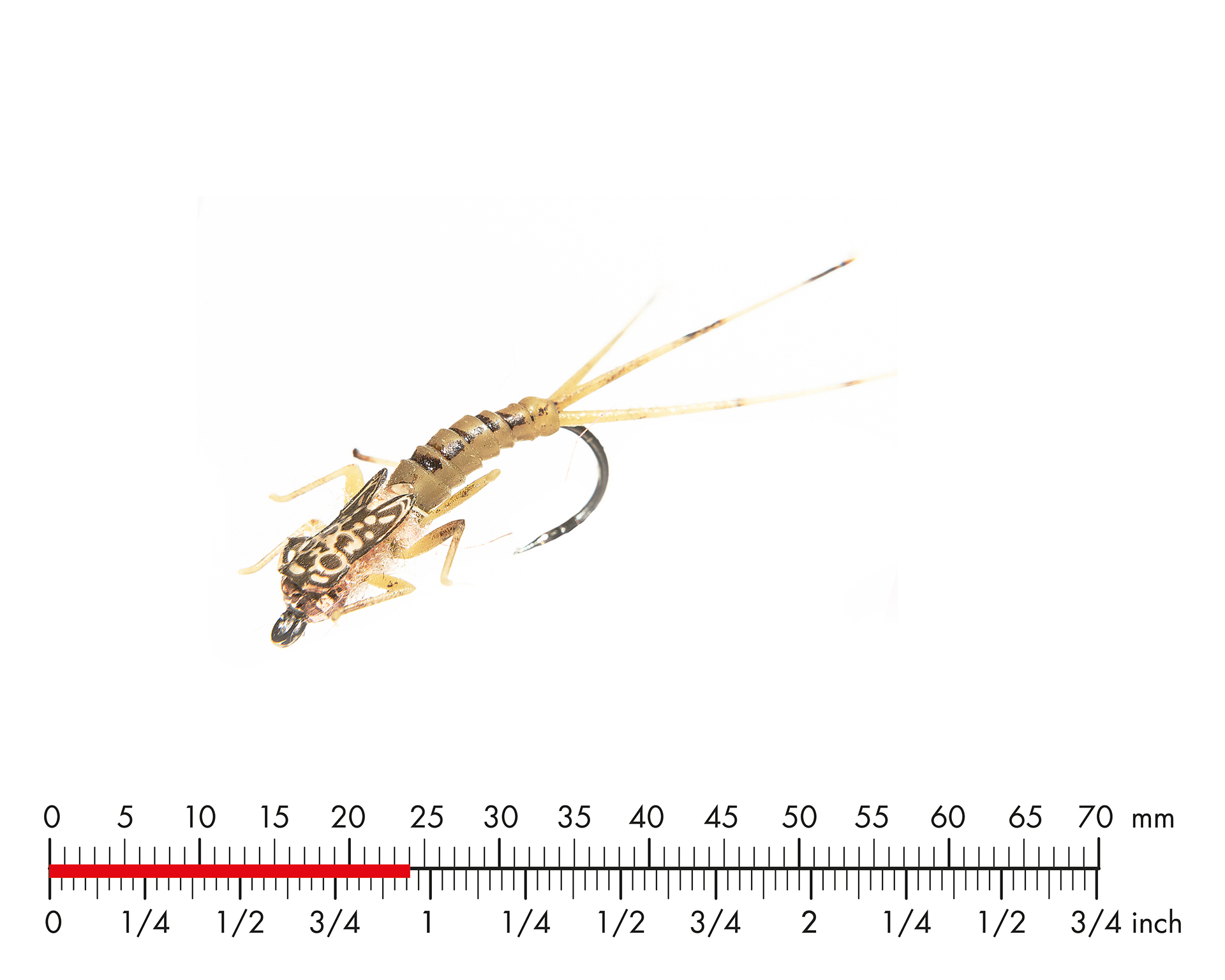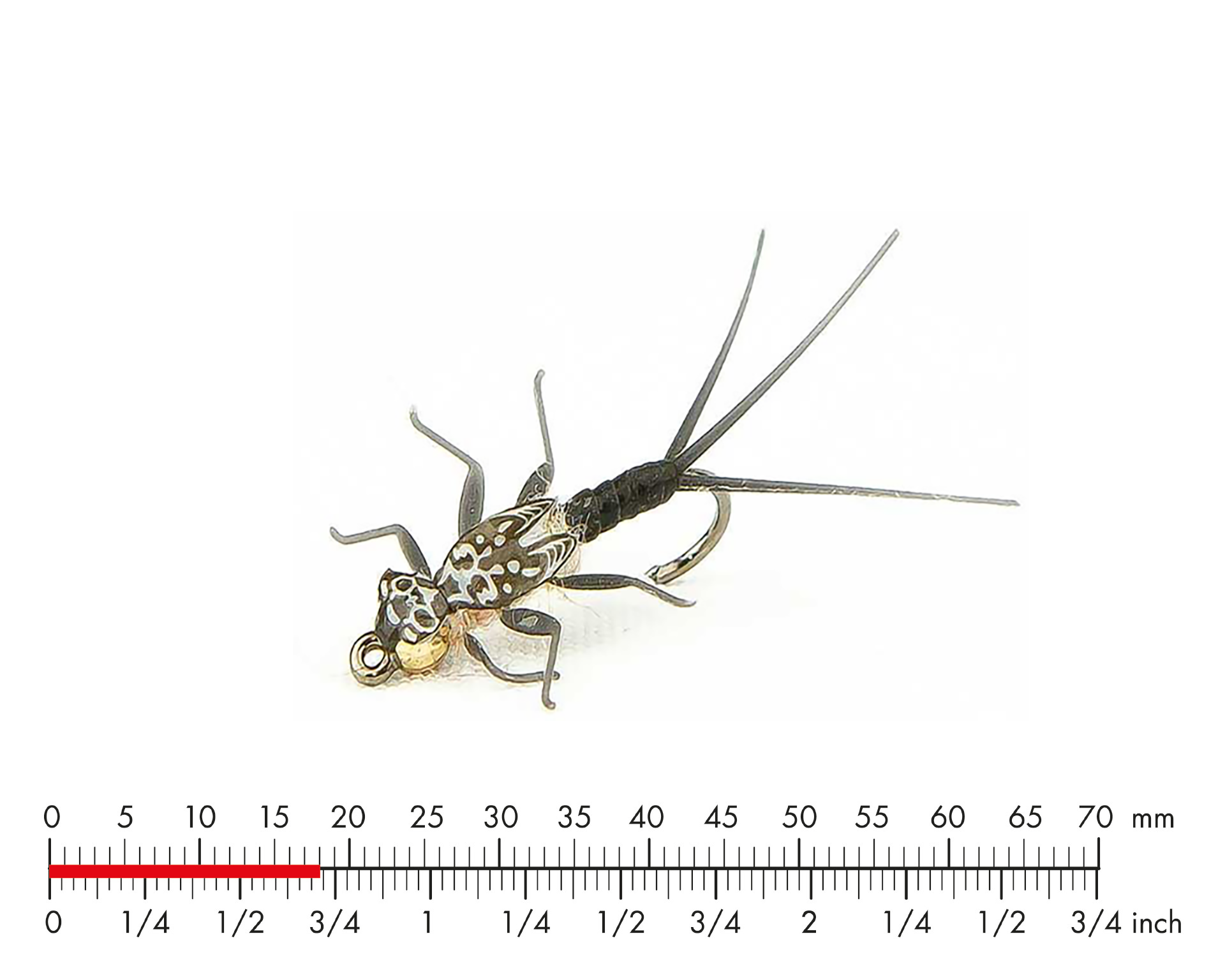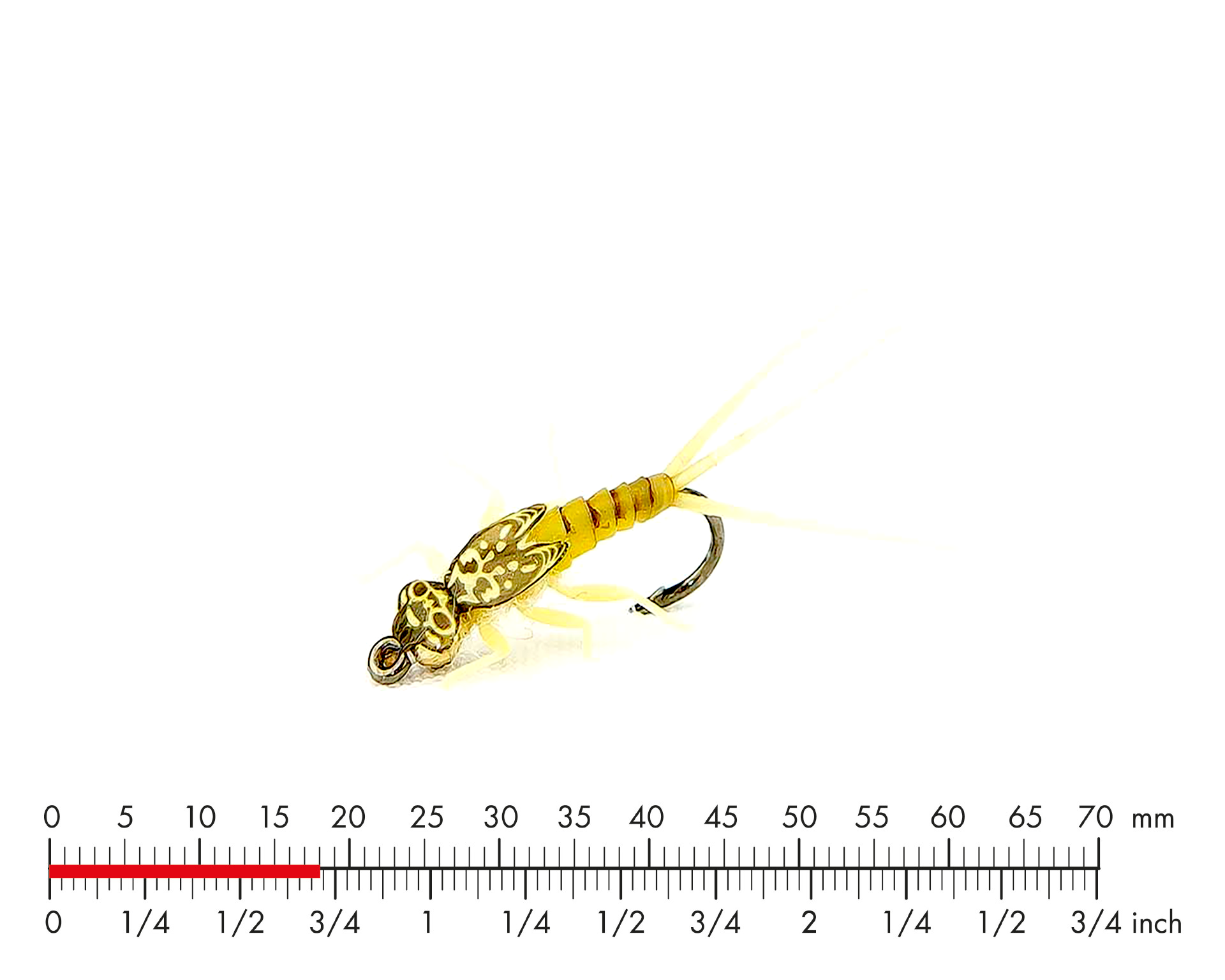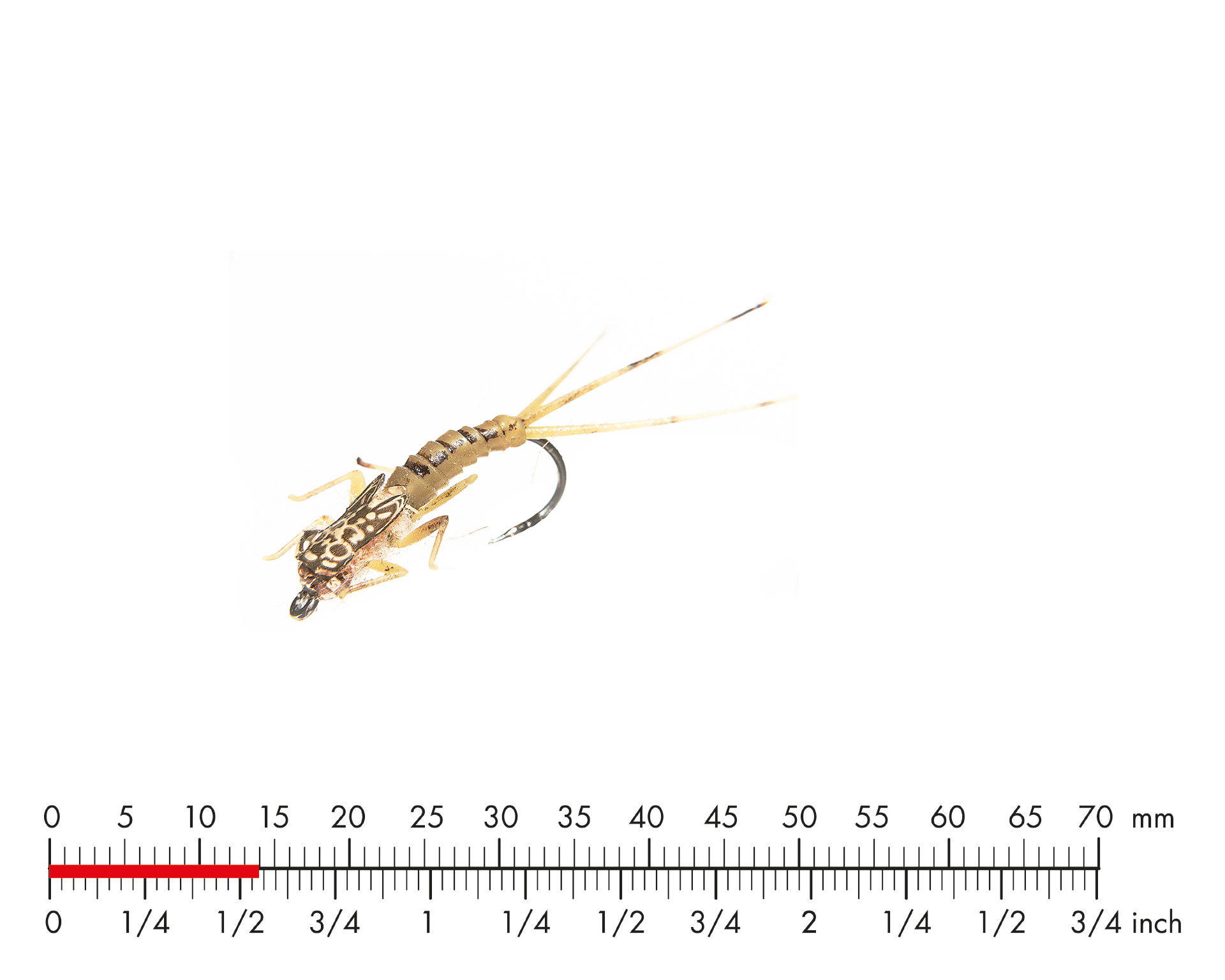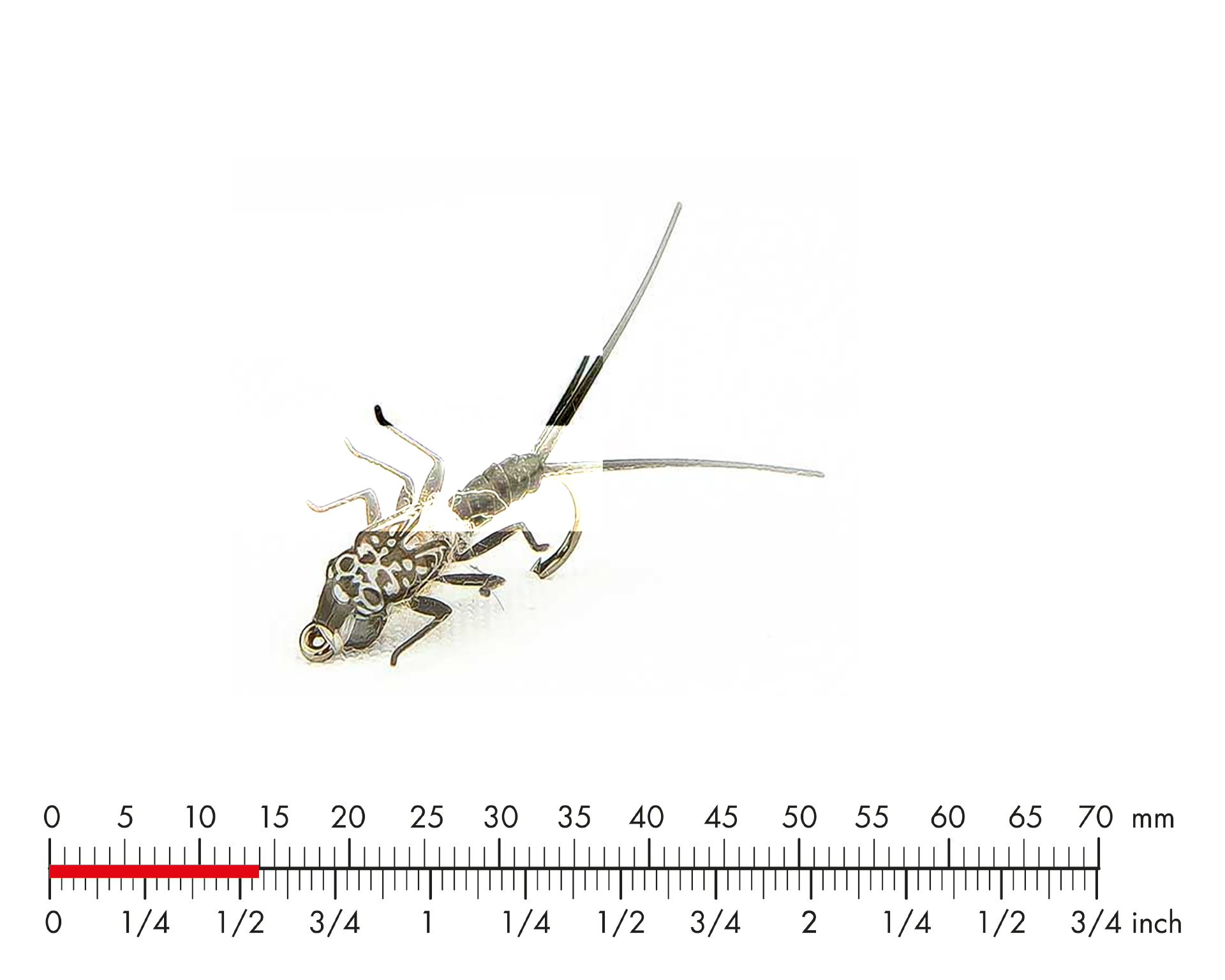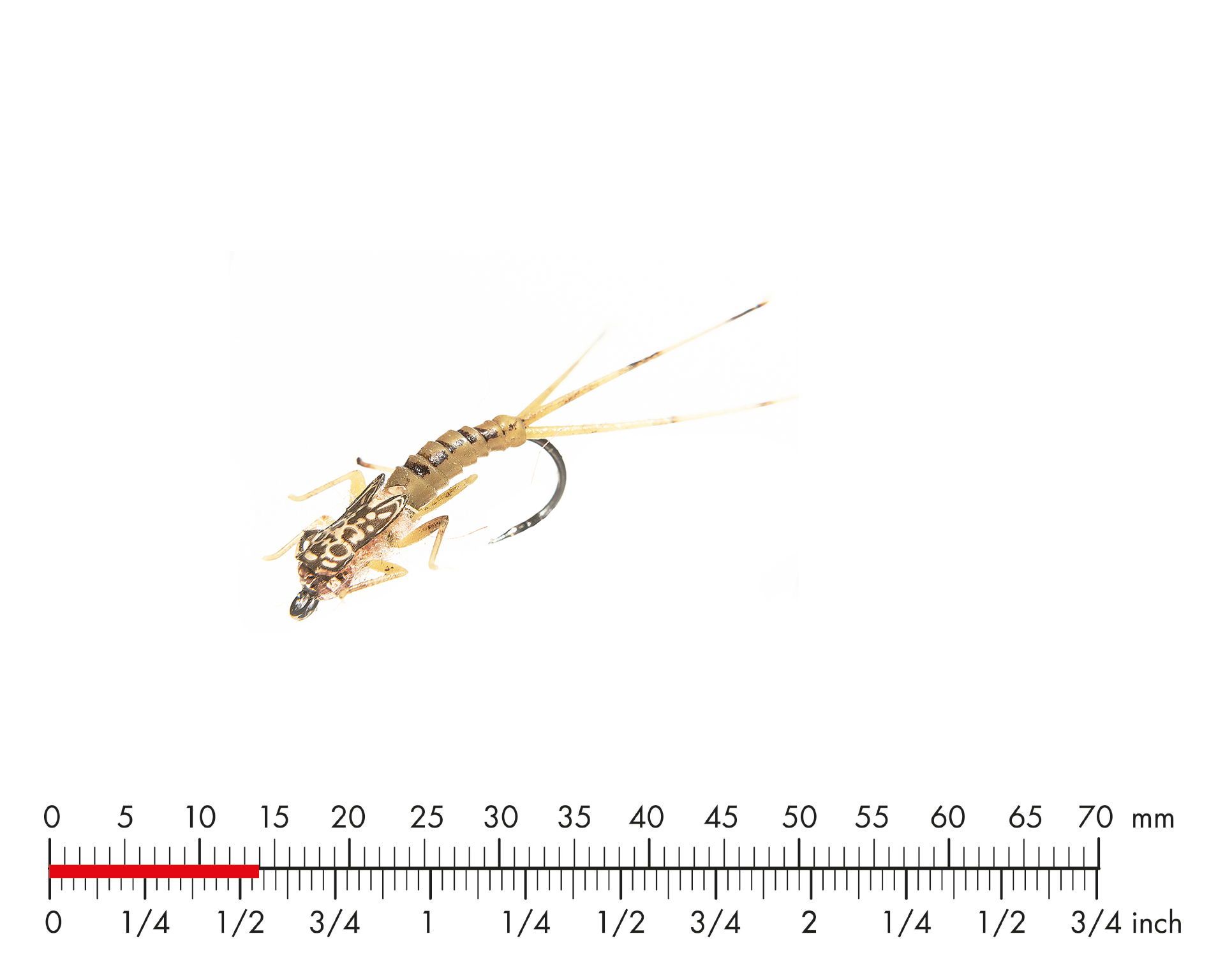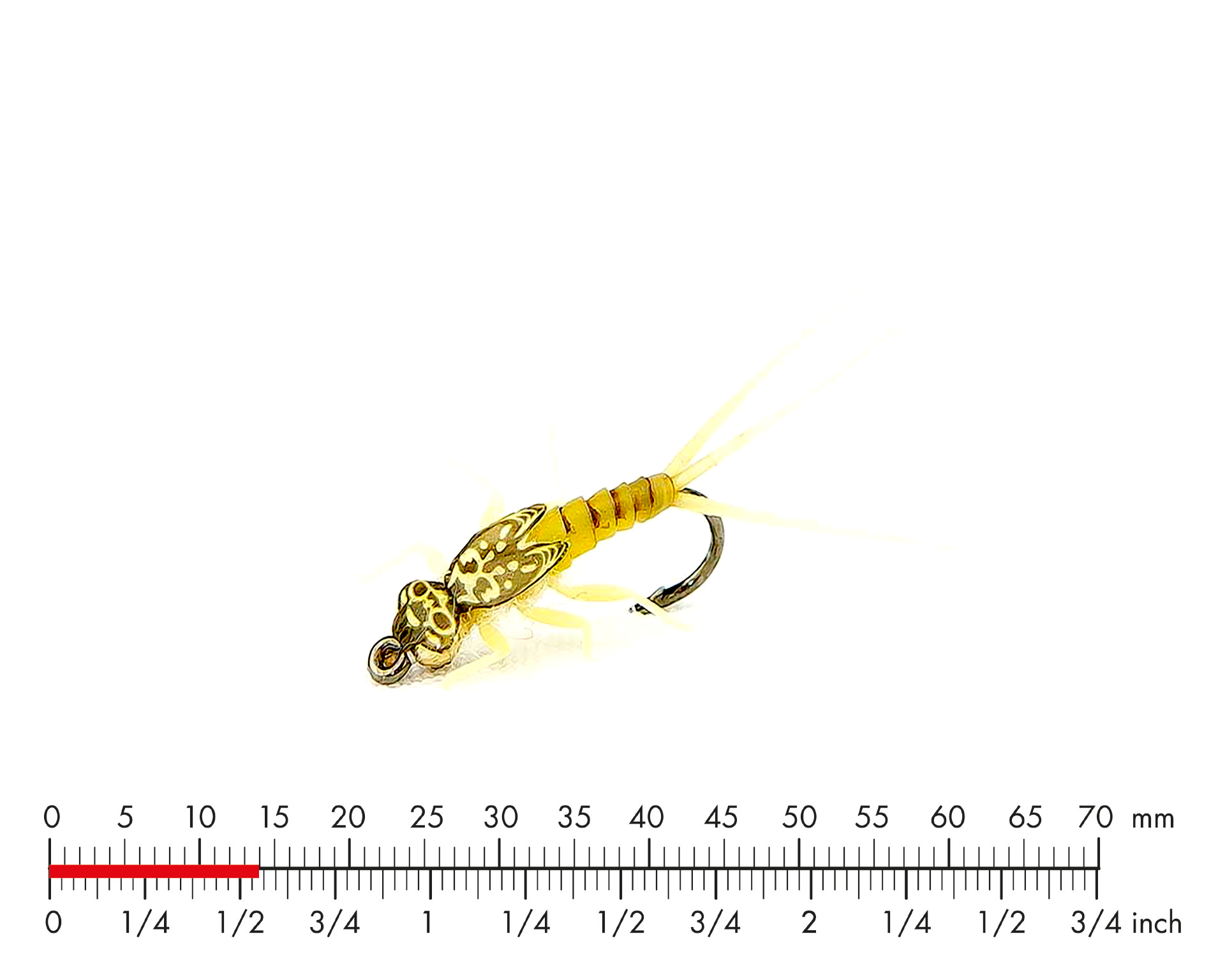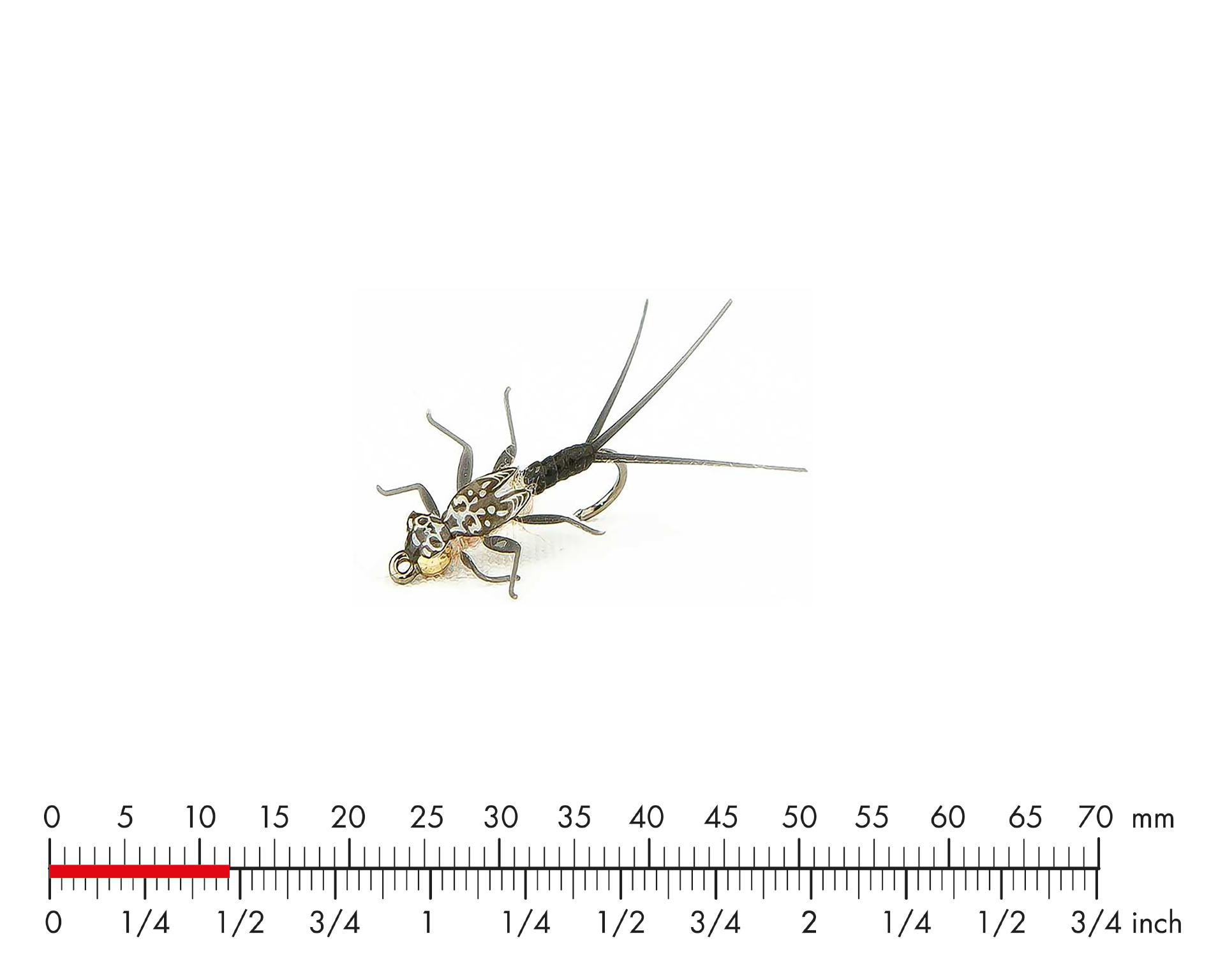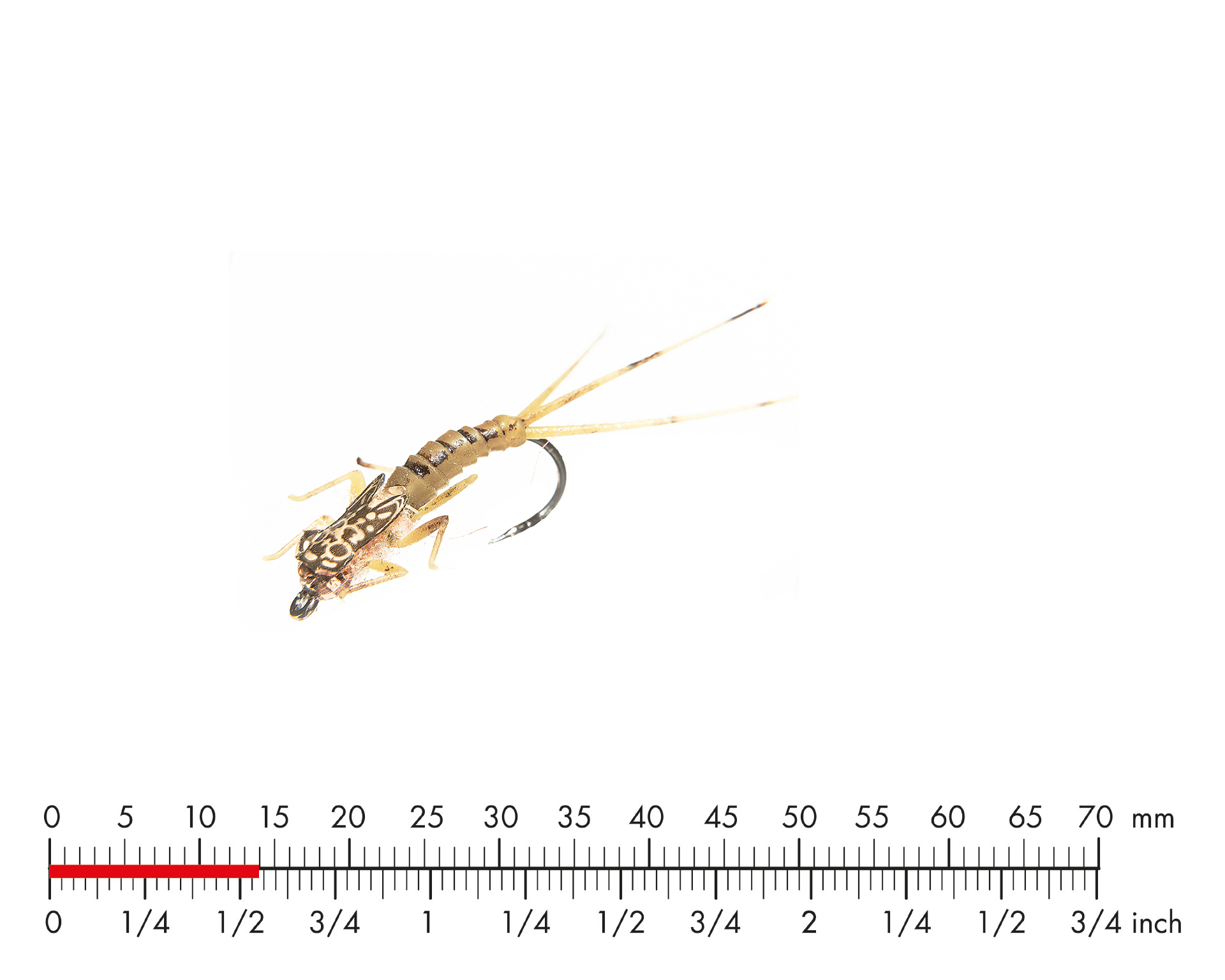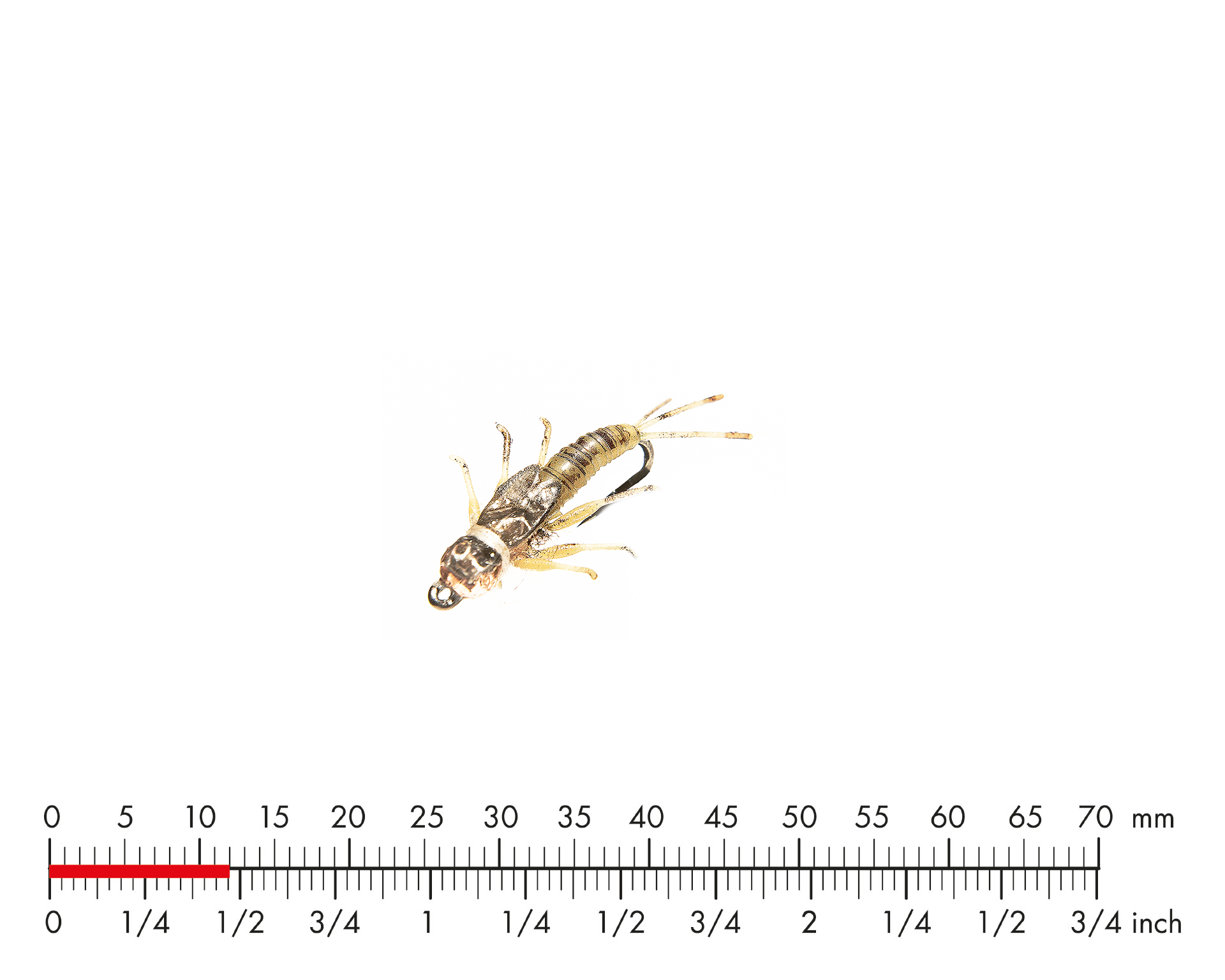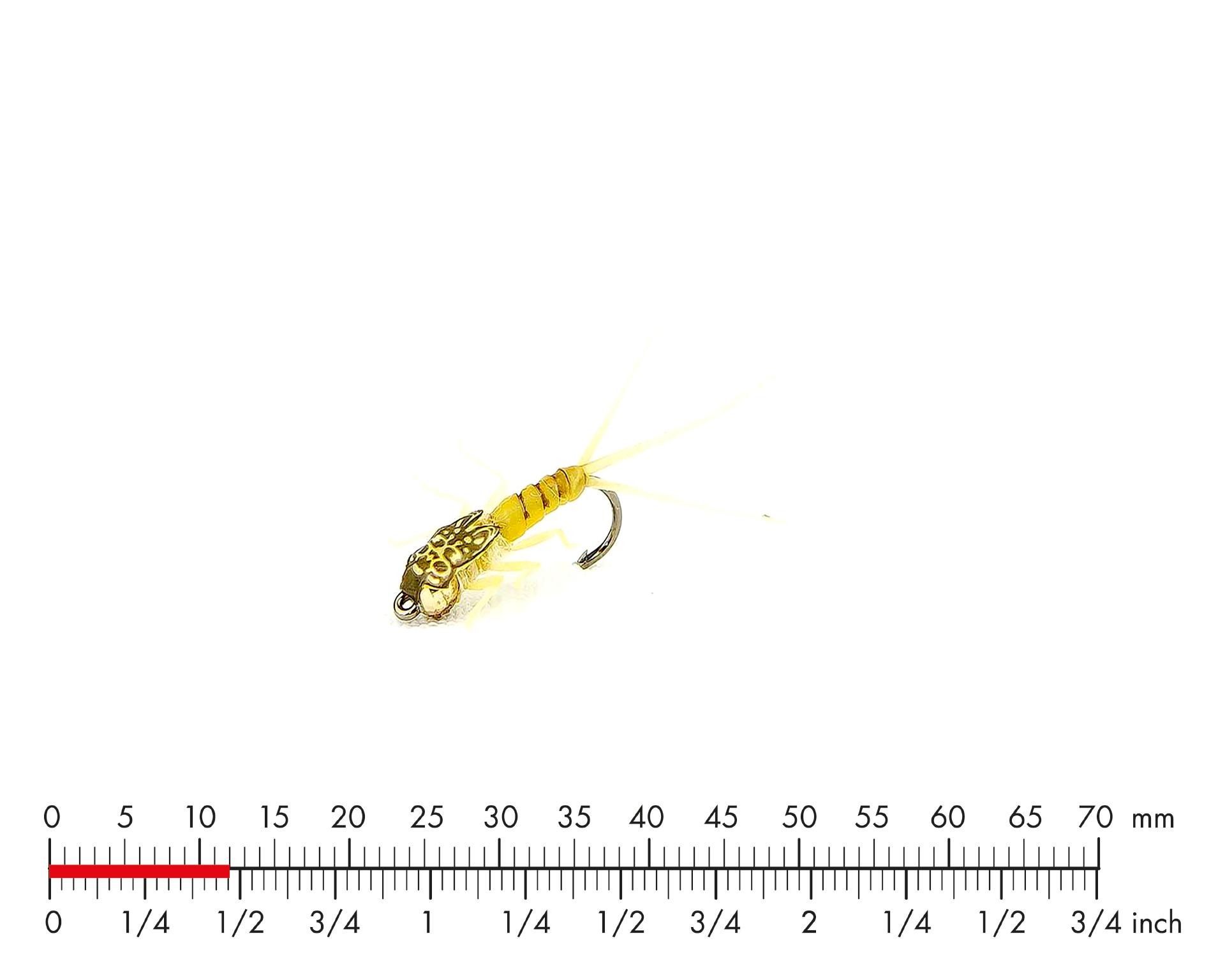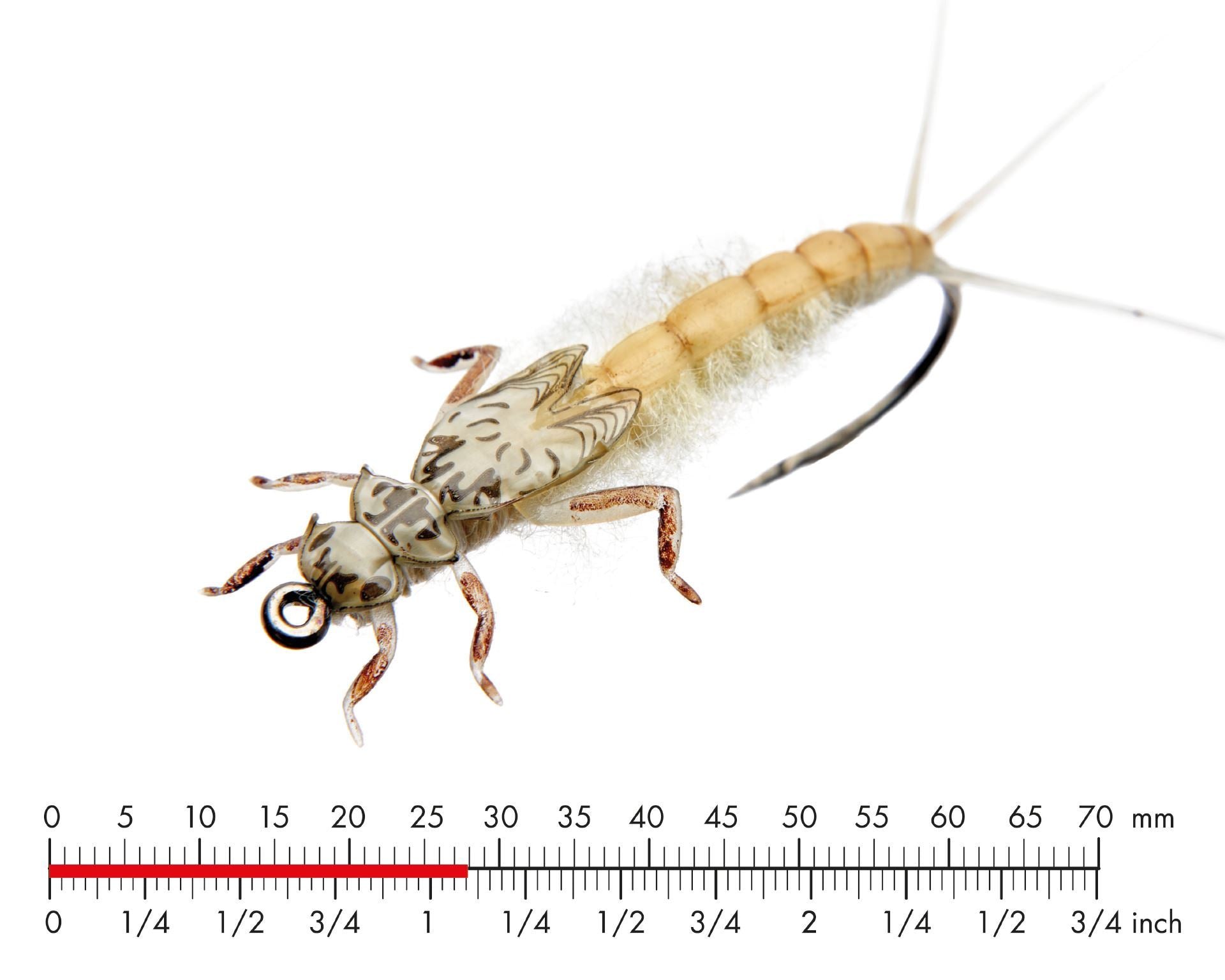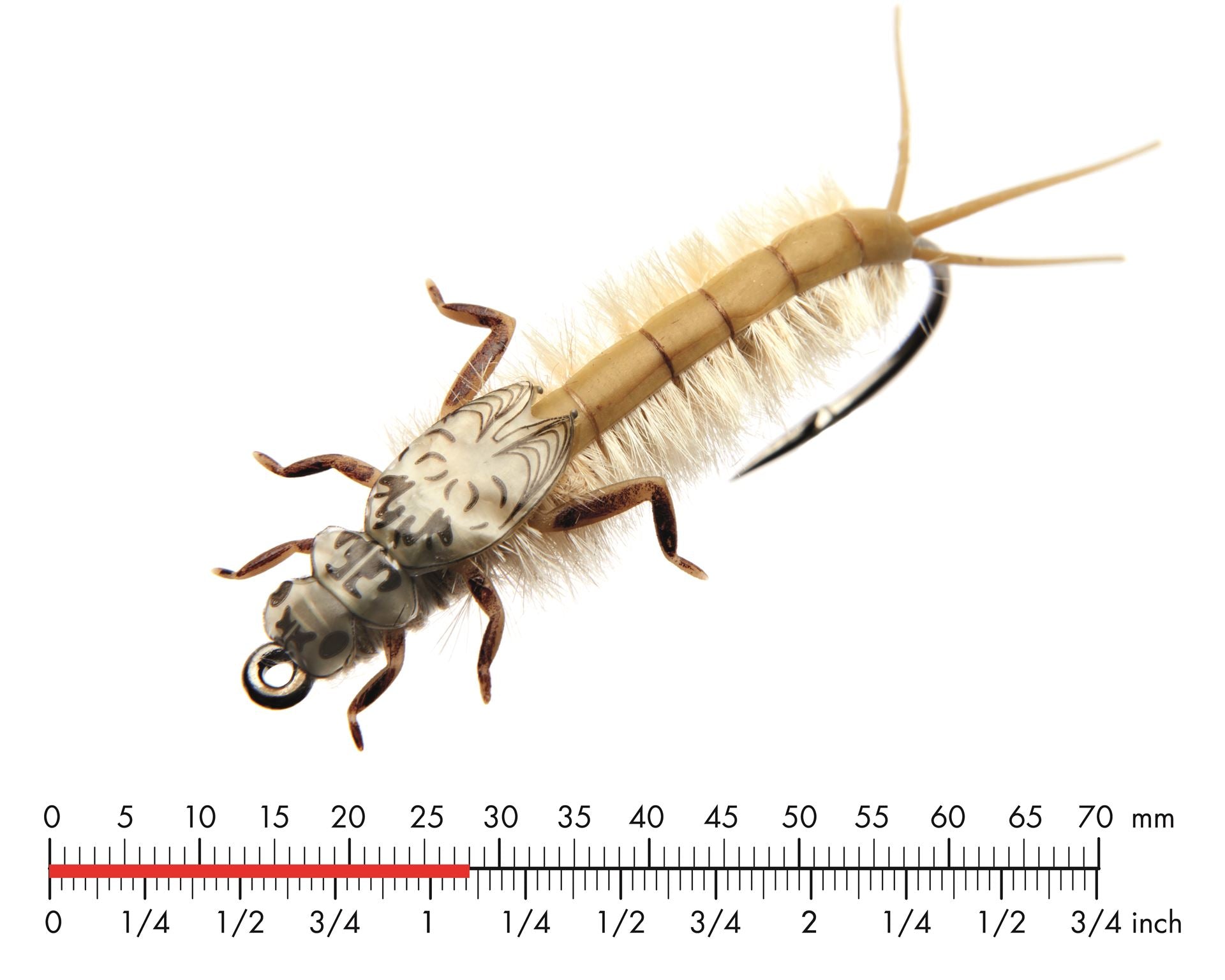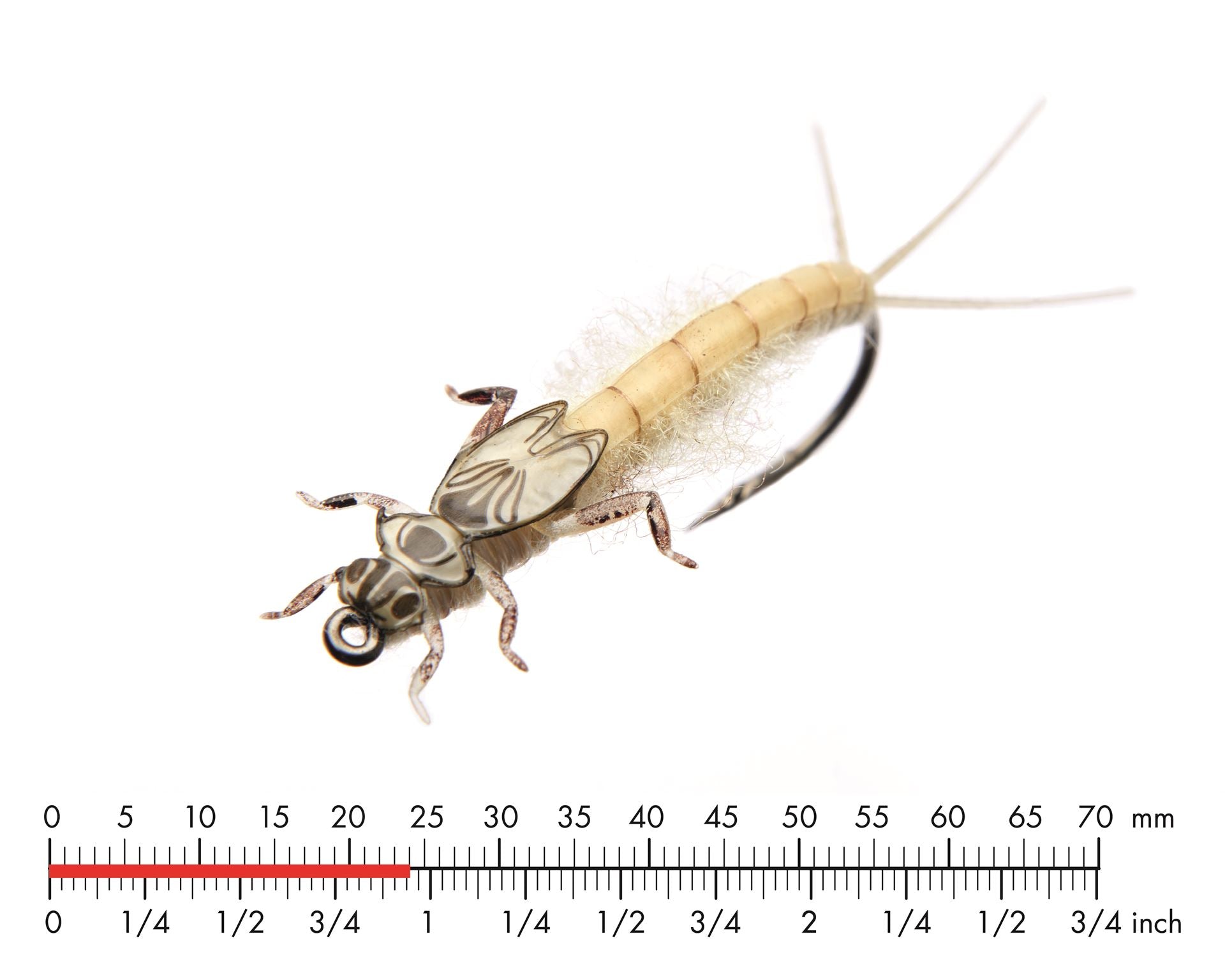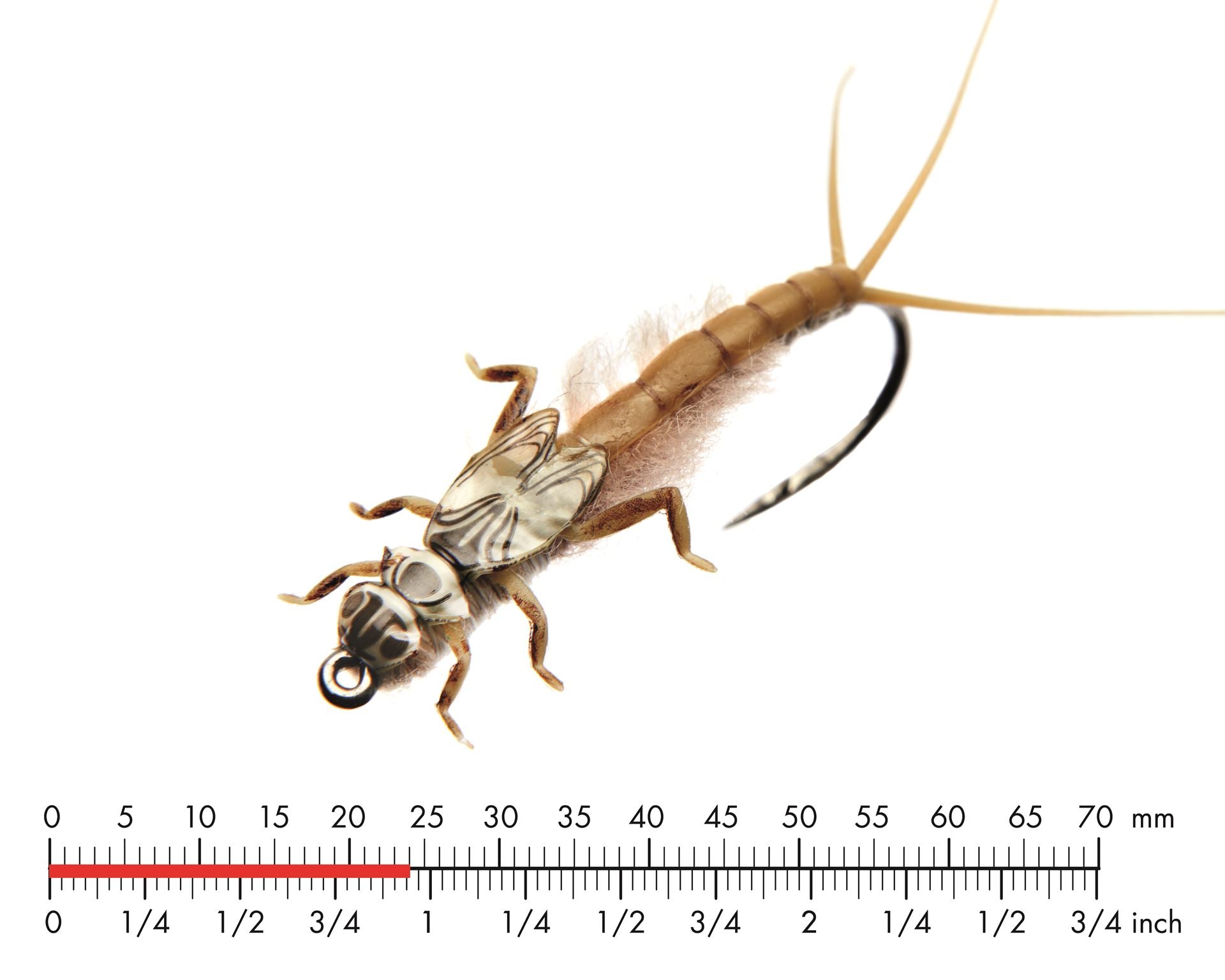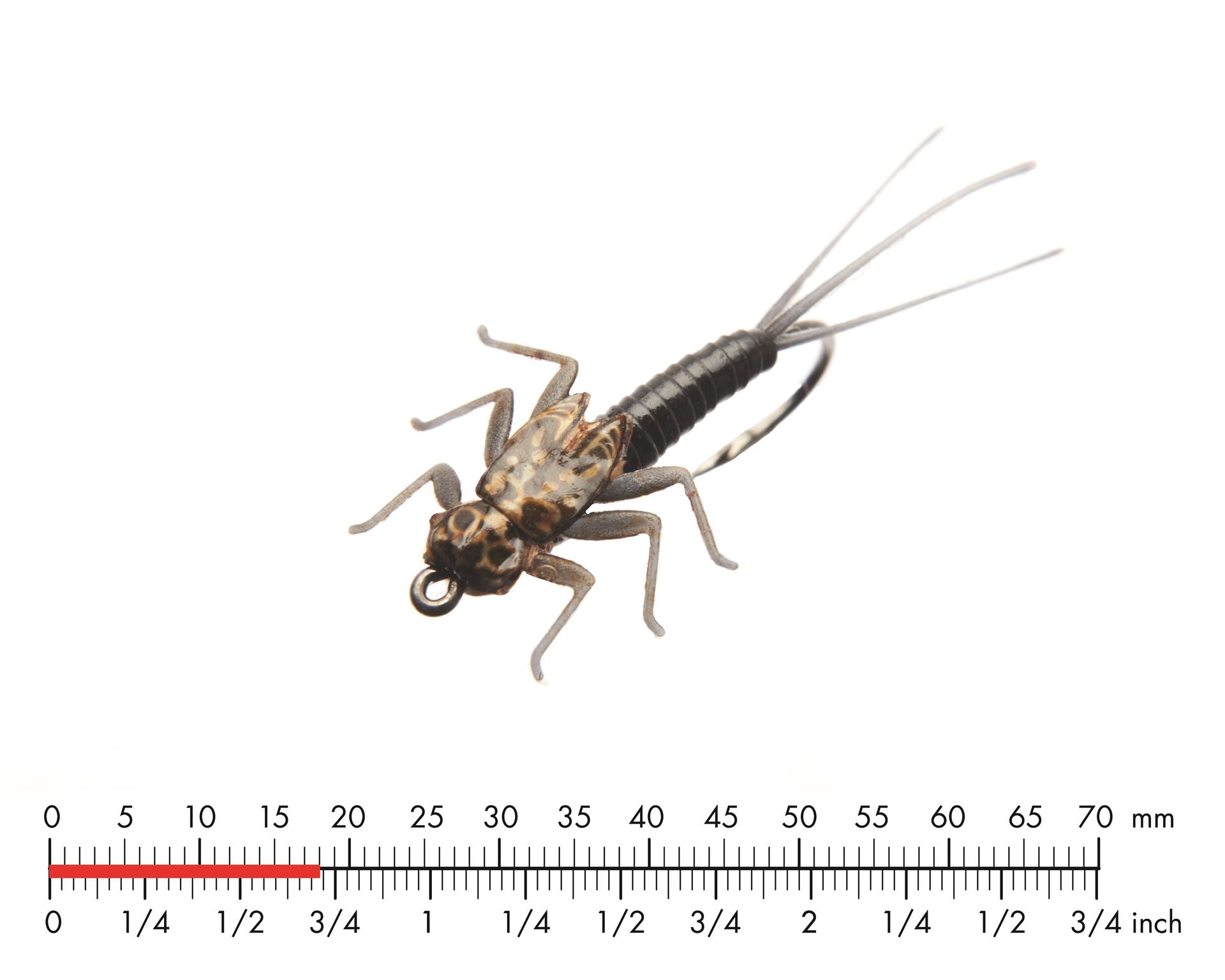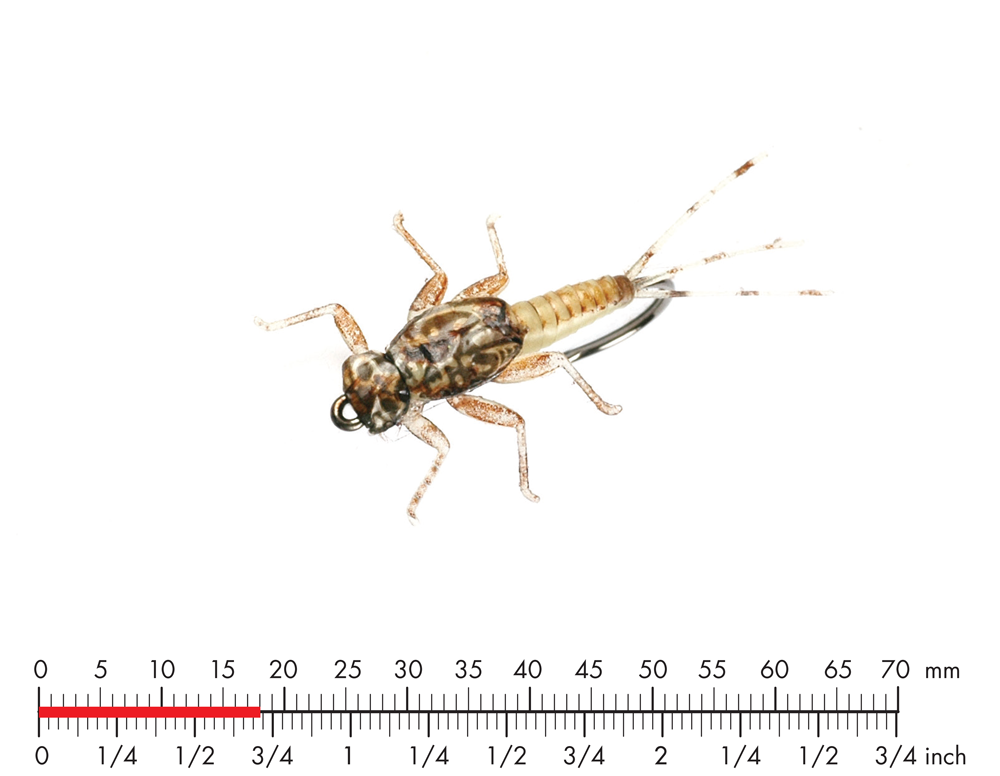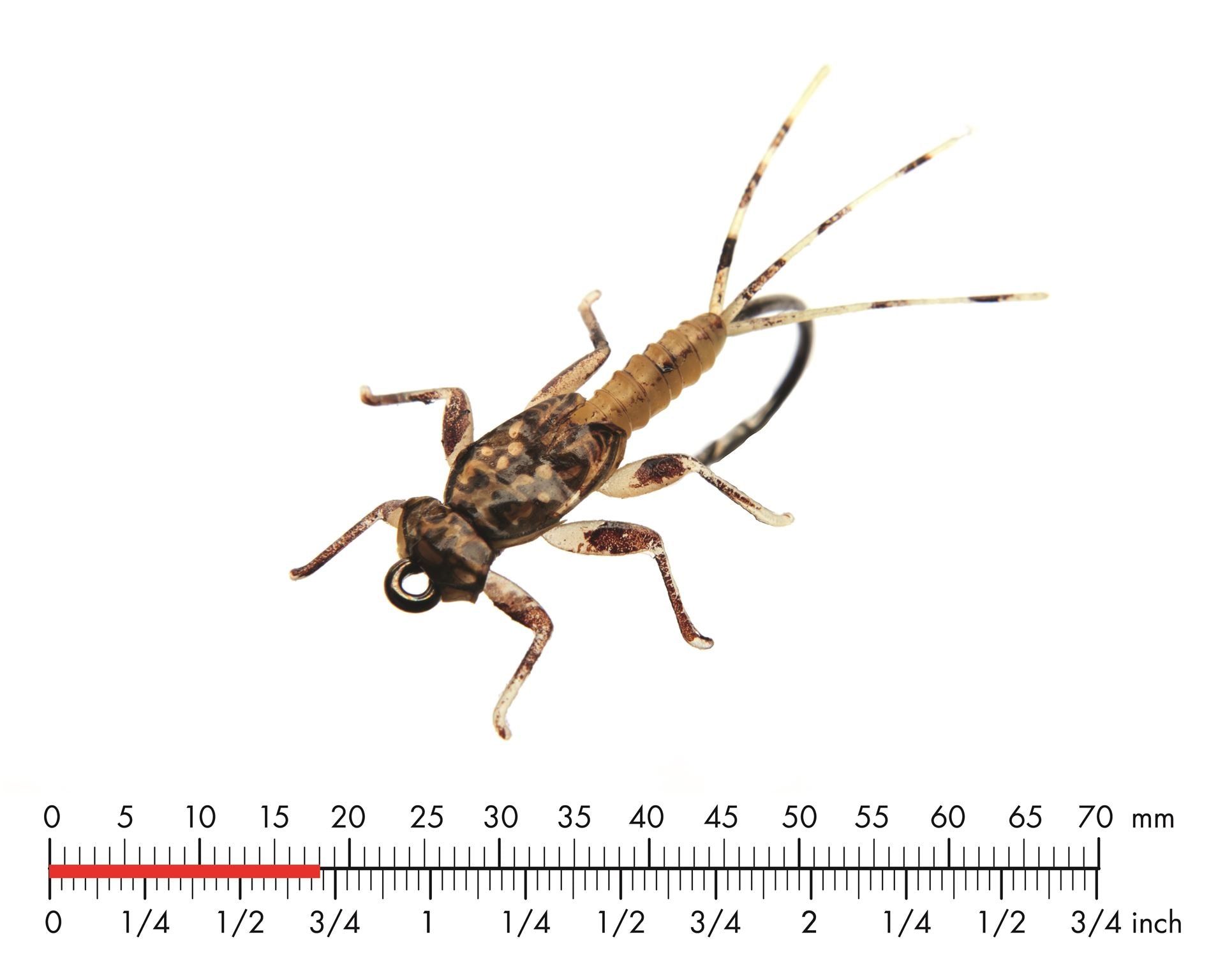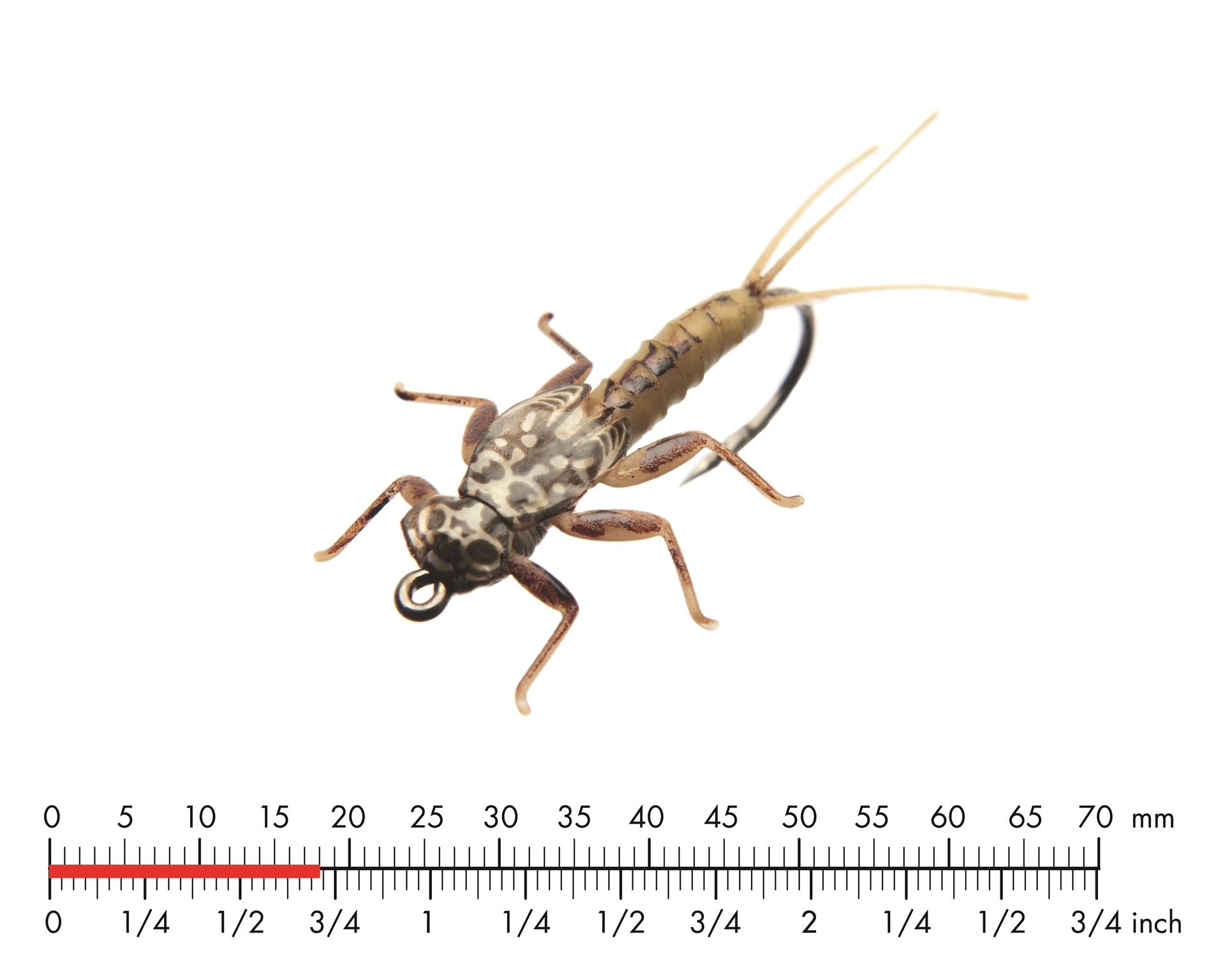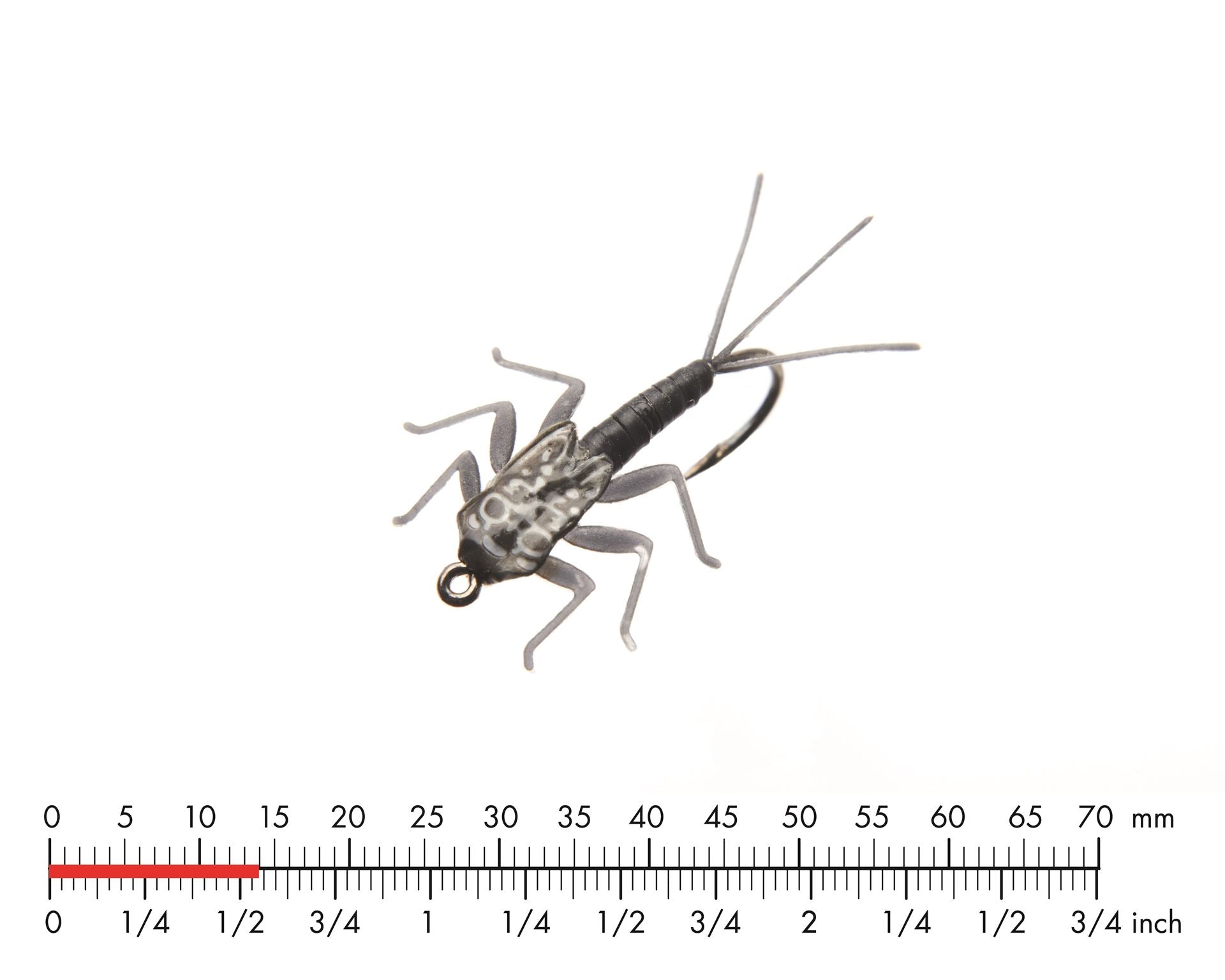
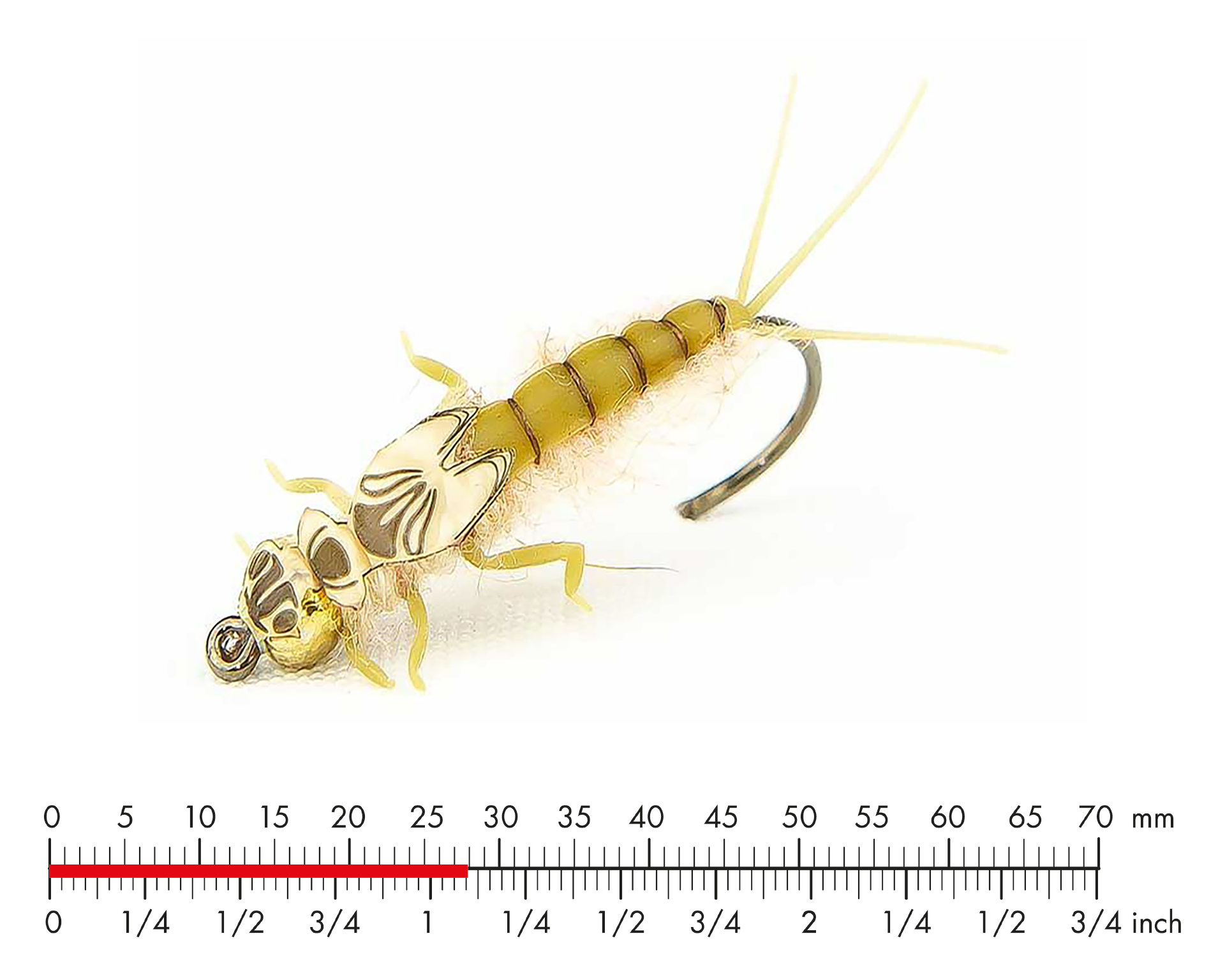
Mayfly
92 products
Showing 1 - 24 of 92 products
Mayflies – A Global Phenomenon with Local Importance
Mayflies are found all around the world – from Kamchatka in the east, to Montana in the west, New Zealand in the south, and Sweden in the north. Hatches are often intense but short-lived. Most species hatch in early summer and can trigger feeding frenzies in fish like brown trout, which quickly shift into selective feeding mode.
J:son Match’n’Catch makes it easier to choose the right fly and match it to the mayfly the fish are feeding on – regardless of which stage in the life cycle they’re targeting.
Latin name: Ephemeroptera
All mayflies follow a life cycle that goes from egg → nymph → winged adult. This type of development is called hemimetabolous transformation (incomplete metamorphosis).
As fly fishers, we’re interested in four key stages:
-
Nymph
-
Emerger (the insect breaking through the surface)
-
Dun (freshly hatched adult)
-
Spent Spinner (the final stage, when the mayfly dies on the surface with wings spread flat)
Size, Shape, and Color Matter
Many mayfly species are similar in size, shape, and color, which means:
→ You don’t need hundreds of patterns in your fly box. → Focus on matching size and silhouette to the hatch.
Most mayflies hatch during daylight, but egg-laying typically occurs in the evening or at dusk.
A freshly hatched mayfly is called a Dun – usually lighter in color than the mature, egg-laying female known as a Spinner.
Realistic Imitations Make the Difference
There are many flies labeled as mayfly imitations – but few are tied with the actual insect in mind. To fool even the most selective trout, a good imitation must have:
-
Correct proportions
-
Accurate silhouette
-
Natural color and shape
-
Proper surface imprint
→ J:son flies deliver all of this.
Naming Can Vary
Keep in mind: the same mayfly family or species may have different names depending on the country – or even the region within a country.
Match’n’Catch – Mayfly Strategy
Every hatch begins at the bottom. A skilled angler carries imitations of every stage in the life cycle.
How to follow the hatch:
-
Start the day fishing nymphs near the bottom
-
As the morning progresses, fish closer to the surface
-
When fish begin feeding on emergers – switch to emerger patterns
-
Move to Duns as fish rise to take newly hatched adults
-
End the evening with Spent Spinner imitations when you see them drifting on the surface
Final Tip
Always match your fly’s size, color, and shape to the actual mayfly that’s hatching. That’s the key to success.
------------------------------------------------------------
Key Genera and Species in Fly Fishing
The tables below highlight the most recognized genera and species in fly fishing worldwide. These insects are imitated across North America, Europe, and beyond due to their size, color, and hatch behavior—making them essential targets for both fish and fly anglers.
Please note: This overview is generalized. Local variations in species, timing, and behavior occur depending on region, water type, and climate. → After all, fly fishing reflects a living, dynamic world—always changing, always fascinating.
At the bottom is Scandinavian most common Mayflies presented
Key Takeaways for Realistic Flies:
-
Size Matters: The Hexagenia and Ephemera groups require the largest hooks (Size #8 to #10), while the Trico requires tiny ones (Size #20 to #28).
-
The Olives: Baetis (BWO) is the most universal and enduring hatch, covering the crucial olive color spectrum from spring to fall.
-
The Yellows: PMD, Sulphur, and Ephemera Danica cover the vital yellow and cream color phases that dominate summer fishing.
Read as follows:
Genus/Species (Common Name)
Adult Size (mm, Body)
Dominant ADULT Color (Dun)
Nymph Size (mm, Body)
Dominant NYMPH Color
Nymph Type
Hatch Season
Hexagenia (Giant Mayflies / Hex)
25–40 mm
Pale Yellow/Cream w. dark markings
25–40 mm
Dull Brown/Tan
Burrowing
Mid-Summer (Late June – July)
Ephemera Danica (European Green Drake)
20–30 mm
Cream/Yellow w. distinct dark bands
20–30 mm
Light Brown/Sand
Burrowing
Late Spring – Mid-Summer (May – July)
Ephemera Guttulata (Eastern Green Drake)
20–30 mm
Mörkbrun/Olive-green, Pale belly
20–30 mm
Dark Brown
Burrowing
Late Spring – Mid-Summer (May – July)
Siphlonurus spp. (Speckled Dun / Brown Drake)
15–20 mm
Mörkbrun, Black
15–20 mm
Dark Brown, robust
Swimmer
Early Summer (May – June)
Stenacron spp. (Light Cahill)
10–15 mm
Light Beige, Yellowish-grey
10–15 mm
Tan/Cream
Clinger
Mid-Summer (June – August)
Ephemerella spp. (Pale Morning Dun - PMD)
8–14 mm
Pale Yellow/Cream, Light olive
8–14 mm
Olive-Brown
Clinger
Late Spring to Early Fall (May – Sept.)
Sulphur (Ephemerella spp.)
8–12 mm
Sulphur Yellow, Bright golden yellow
8–12 mm
Light Tan/Beige
Clinger
Early Summer (May – June)
Baetis spp. (Blue Winged Olive - BWO)
5–12 mm
Olive Green, Dark Grey
5–12 mm
Dark Olive, Grey-black
Swimmer
Spring & Autumn (March – May, Sept. – Oct.)
Paraleptophlebia spp. (Iron Blue Dun)
5–10 mm
Dark Grey, Dark Blue-Black
5–10 mm
Black/Dark Brown
Swimmer
Spring & Autumn (April – May, Sept.)
Tricorythodes spp. (Trico)
3–6 mm
Black body, Clear/White wing
3–6 mm
Dark Grey/Black
Burrowing
Mid-Summer (July – August)
-----------
Scandinavian most common Mayflies.
Read as follows:
Familj
Svenskt/Latinskt Namn (Flugfiske-namn)
Storlek (mm, Kropp)
Dominerande Färg
Nymftyp
Nymf Storlek (mm, Kropp)
Nymf Färg
Kläckningsperiod
Sanddagsländor (Ephemeridae)
Åsandslända (E. danica), Gul sandslända (E. vulgata)
20–30
Gul-beige med mörka/svarta band
Grävande
20–30
Sandfärgad, ljusbrun/gulbrun, Mörk huvudkapsel
Sommar (Juni–Augusti)
Sjö-sandslända (E. lineata)
15–25
Gul-grå, mindre distinkta band
Grävande
15–25
Gulgrå/beige, Matt, mörka sidor
Sommar
Ådagsländor (Baetidae)
Baetis Rhodani (Vårfluga, Åslända)
6–12
Oliv, Brun-grå, Mörkbrun
Simmande
6–12
Mörk oliv, mörkbrun, gråsvart
Tidig Vår, Höst (Viktigast!)
Baetis Niger (Svart öringmatslända)
6–10
Mörkoliv, Svart-brun
Simmande
6–10
Svart, mörkoliv
Hela sommaren
Baetis Muticus (Liten strömslända)
5–9
Oliv, Ljusgrå
Simmande
5–9
Ljus Oliv, ljusbrun
Hela säsongen
Baetis Vernus (Vårbaetis)
7–10
Oliv-brun, Grå
Simmande
7–10
Olivbrun, gråaktig
Vår
Forsdagsländor (Heptageniidae)
Gul forsslända (H. sulphurea)
8–14
Klart Svavelgul, Ljusgul
Klängande
8–14
Brun-gul, ljusbrun/tan
Försommar (Maj–Juli)
Brun forsslända (H. fuscogrisea)
10–16
Brun-grå, Mörkbrun
Klängande
10–16
Mörkbrun, grå-brun, mycket platt
Vår, Tidig sommar
Heptagenia Lateralis
12–18
Brun, Mörkt grå-brun
Klängande
12–18
Mörkbrun, nästan svart, platt profil
Högsommar
Heptagenia Flava
10–15
Gul-grön, ljusgul
Klängande
10–15
Gulgrön/oliv, ljust brun
Sommar
Starrdagsländor (Leptophlebiidae)
Leptophlebia Marginata (Svart slända)
7–12
Svart, Mörkt brun-svart
Driftande/Simmande
7–12
Mörkbrun, svart-lila, tunn profil
Vår (April–Maj)
Leptophlebia Vespertina
6–10
Mörkbrun, Gråbrun
Driftande/Simmande
6–10
Brun/gråbrun, Tunn profil
Sen vår, tidig sommar
Simdagsländor (Siphlonuridae)
Stor simslända (S. aestivalis)
15–20
Mörkbrun, Svart
Simmande
15–20
Mörkbrun/svart, Kompakt
Försommar
Liten simslända (S. lacustris)
10–16
Brun-svart
Simmande
10–16
Brun-svart, Kompakt
Försommar
Slamdagsländor (Caenidae)
Caenis Lactea (Liten vit dagslända)
3–6
Kritvit eller ljusgrå
Grävande
3–6
Ljusgrå, benvit, Liten
Högsommar
Caenis Horaria (Ännu mindre)
3–5
Ljusgrå, vit
Grävande
3–5
Grå, mörkare huvud
Högsommar
Mossdagsländor (Ephemerellidae)
Ephemerella Ignita (Trepinnad)
6–12
Olivgrön, brun, kopparfärgad
Klängande
6–12
Brun-oliv, kopparbrun
Högsommar (Juli–Augusti)
Ephemerella Aurivillii
7–12
Mörkbrun, grå-brun
Klängande
7–12
Gråbrun, mörkoliv
Vår, Tidig sommar
Dammsländor (Cloeon)
Cloeon Dipterum (Dammslända)
8–14
Brun, oliv-grön
Simmande
8–14
Brun-oliv, grönaktig
Hela sommaren
Skölddagsländor (Prosopistomatidae)
Prosopistoma foliaceum (Sällsynt)
5–8
Mörkbrun (Liten, pansarklädd)
Klängande/Skyddande
5–8
Mörkbrun, nästan rund (pansarlik)
Sällsynt