

Description
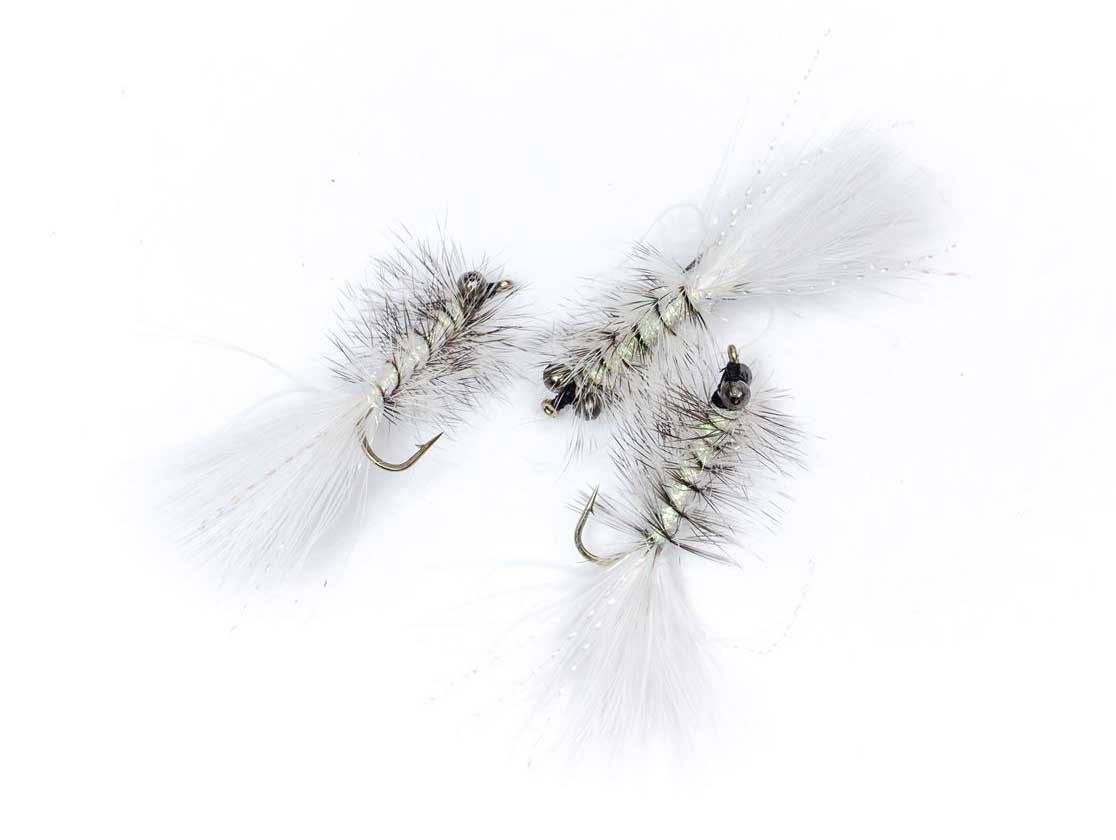
The Epoxy Bugger is a type of streamer designed to be fished subsurface. It's a variation of the famous Woolly Bugger, but with a hard, durable epoxy body that gives it a realistic, segmented appearance. The fly is designed to imitate a variety of prey, including leeches, minnows, and aquatic insects.
Best Suited For:
This is an extremely versatile fly that will catch almost any species of fish. It's particularly effective for trout (rainbow, brown, and cutthroat), bass (largemouth and smallmouth), pike, panfish like perch and sunfish, and even steelhead and salmon.
Best Time to Fish:
The black Epoxy Bugger is a year-round fly, but it shines in the spring and fall when fish are actively feeding. It's also a great go-to fly in low light conditions (like dawn, dusk, or on cloudy days) and in murky or stained water, where its dark profile and movement stand out.
Water Type:
This fly is primarily a freshwater pattern. It's a staple in rivers, streams, lakes, and ponds. However, variations of the Woolly Bugger are used in saltwater for species that feed on small baitfish and crustaceans, such as sea trout and striped bass.
Where to Fish:
This fly is highly effective in almost any freshwater environment. Fish it in rivers and streams by letting it swing in the current or retrieving it with short strips. In lakes and ponds, it's excellent for fishing around weed beds, submerged logs, and along drop-offs where fish lie in wait for prey.
Other Value:
Durability: The epoxy body makes this fly incredibly durable, allowing it to withstand multiple strikes without falling apart.
Retrieval: The marabou tail creates a pulsating, lifelike motion with even the slightest movement. You can fish it with a variety of retrieves, from a slow, steady pull to fast, aggressive strips.
Bead Head: Many Epoxy Buggers have a bead head to help them sink faster and to add an extra "jigging" action in the water.