
Description
The first stage in the life cycle of a caddis fly is the larva. Found in both still and moving waters, these insects are a constant and vital food source for fish. Depending on the species, caddis larvae are either case-builders, net-spinners, or free-living.
Case-building larvae construct protective homes from sand, stones, or plant material. As they grow and move between cases, they become highly vulnerable. Net-building larvae use silk to create food-catching structures, while free-living larvae move openly across the bottom.
Most often, you will find these larvae on the bottom; they only accidentally drift downstream in moving water or when searching for new feeding grounds. Those living in still water move slowly across the lake bed. To be successful, it is necessary to fish your imitations as close to the bottom as possible. Many seasoned anglers consider a realistic caddis larva imitation to be among the best, if not the best, trout flies available.
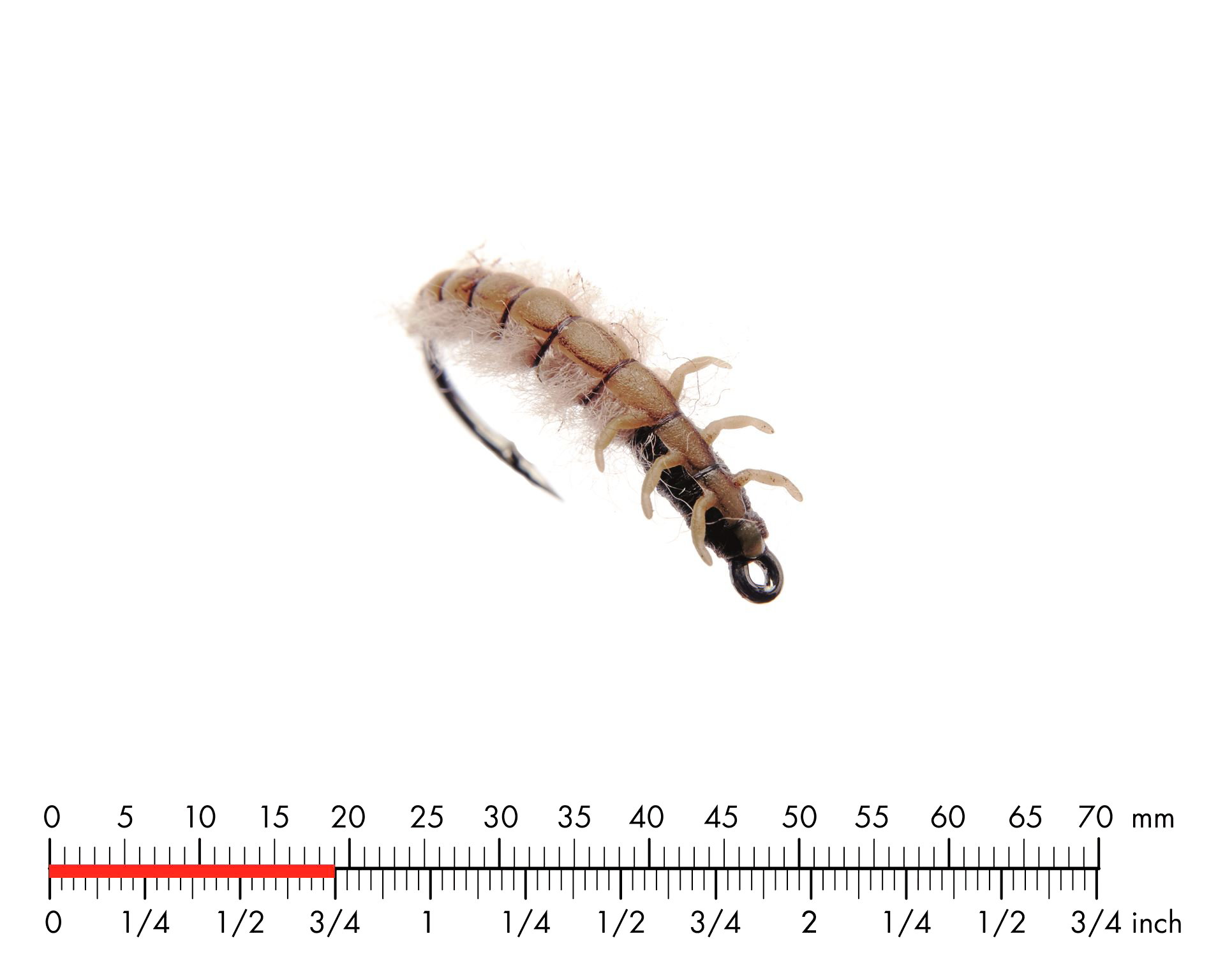
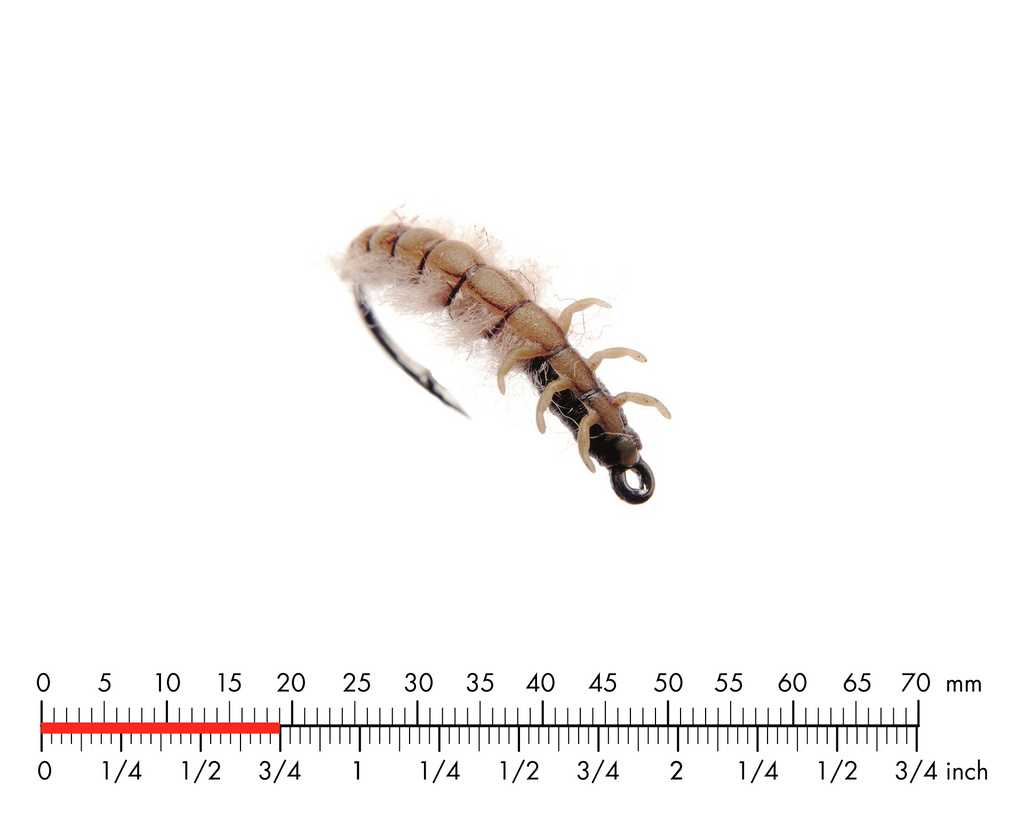
The All-Season Performer – J:son Caddis Larva 3 Olive Brown (#10) The J:son Caddis Larva 3 in Olive Brown is a highly versatile subsurface pattern, tied on a size #10 hook. This specific color and size combination is designed to match the most common earthy-toned caddis larvae found in rivers, streams, and lakes globally. The Olive Brown hue provides a subtle, natural profile that blends perfectly with the aquatic environment, making it a "go-to" fly when fish are being selective.
Featuring J:son’s signature anatomical realism, this larva has a meticulously segmented body and a lifelike translucency that mimics the real insect’s appearance under water. Its size #10 profile is ideal for various nymphing techniques, from traditional dead-drifting to modern Euro-nymphing styles. By presenting this fly close to the substrate, you are offering fish a familiar and high-protein meal that is difficult to ignore. It is a fundamental pattern for any serious angler’s fly box, providing consistent results from early spring through late autumn.